Everything you need to know about Diesel Particulate Filters, why they fail, common symptoms and what to look out for before buying a diesel.
What Is A DPF?
DPFs are probably one of the most misunderstood things on modern diesel cars and honestly one of the biggest reasons people end up with expensive repair bills on cars that could've actually been avoided.
One thing that I see in the garage constantly is people having running problems due to a blocked DPF which most people don't think much of until it causes serious engine damage. The main reason they get clogged up is short journeys, stop/start driving and not allowing the engine to get fully up to temperature.
My biggest piece of advice would be if you aren't travelling on one decent long journey every week, save yourself the hassle and don't buy a diesel. Buying the wrong fuel type is one of the biggest mistakes I see people make.
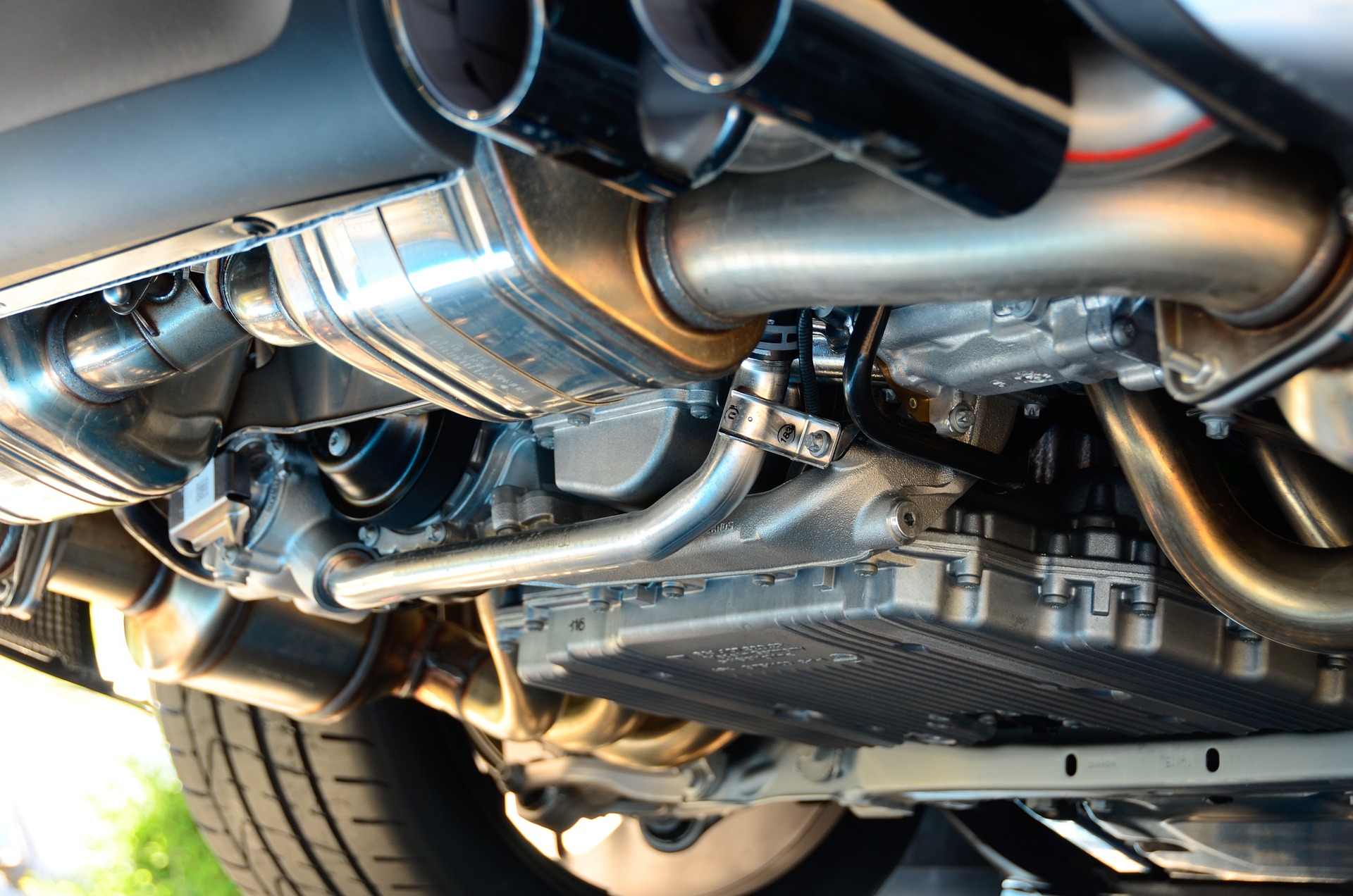
So what actually is a DPF? A DPF stands for Diesel Particulate Filter. Basically, it's a filter fitted into the exhaust system that's designed to catch soot particles coming from the diesel engine before they leave the exhaust.
Over time though, the filter fills up with soot and has to clean itself out. This is why if you're constantly doing short journeys and the engine never properly warms up, the DPF doesn't regenerate. A regeneration is when the car raises the exhaust temperature to burn the soot trapped inside the DPF and clear the filter out.
Active vs Passive Regeneration
One thing a lot of people don't realise is there are actually two different ways a DPF cleans itself.
Passive regeneration happens naturally when you're driving for a decent amount of time at normal road speeds. The exhaust gets hot enough on its own to slowly burn the soot away without you even noticing.
Active regeneration is when the engine ECU realises the DPF is starting to fill up and purposely raises the exhaust temperature by injecting extra fuel. This is completely normal, but if you keep switching the engine off halfway through the regeneration, the soot never fully burns away and eventually the DPF becomes blocked.
"If your cooling fan is still running after you've switched the engine off or the idle speed seems slightly higher than normal, there's a good chance the car was in the middle of an active regeneration."
Common Symptoms
- Engine management light
- Reduced power
- Poor fuel economy
- Cooling fan running after the engine has been switched off
- Car trying to regenerate constantly
- Strong hot smell from the exhaust
- Limp mode
- Poor throttle response
These symptoms don't always mean the DPF itself has failed, but they definitely shouldn't be ignored. The sooner you diagnose the cause, the less chance there is of it turning into an expensive repair.
Can A Blocked DPF Damage The Engine?
Yes. If a blocked DPF is ignored for long enough, exhaust back pressure can become excessive. Depending on the vehicle this can lead to turbocharger problems, EGR faults, poor performance and in some cases serious engine damage. It's always cheaper to diagnose the problem early than wait until multiple components have been affected.
In my opinion DPFs aren't actually a bad design. I just think it comes down to buying the wrong car for the wrong type of driving, which is exactly why I've built this platform — to help people choose a car that genuinely suits how they drive.
What To Look Out For When Buying A Diesel
Firstly, make sure there are no engine management lights on. Personally I'd always advise taking someone with diagnostic equipment or even a basic code reader. A quick scan can sometimes save you thousands.
Always give the car a proper road test and get it fully up to temperature. Turn the radio off and concentrate on how the engine feels. Does it accelerate smoothly? Does it feel sluggish? Is there any hesitation under load?
When you stop after the road test, let the engine idle for a minute. If the revs are hunting up and down or the engine sounds like it's struggling to run smoothly, that's something I'd definitely question before buying.
Things I'd Always Check
- No engine management light
- Good service history
- Evidence of regular oil changes
- A proper road test until the engine reaches full operating temperature
- Smooth acceleration with no hesitation
- No excessive smoke
- Stable idle speed after the road test
- No obvious signs the vehicle is constantly trying to regenerate
I'd also say the most important thing is always check the service history. Take your time looking through the invoices, make sure it's been serviced every year and don't just rely on a stamped service book. Buying a car that's been properly maintained can save you a huge amount of money and hassle later on.
"Buying a diesel isn't a bad decision. Buying a diesel that doesn't suit your driving is."
My Honest Opinion
One last point is that, in my opinion, a diesel that's regularly done motorway miles is often a much safer bet than one that's only spent its life driving around town. Higher mileage doesn't worry me anywhere near as much as poor driving patterns and neglected maintenance.
A lot of people end up spending thousands fixing diesel problems when realistically they would've been far better suited to a simple petrol engine in the first place.
Hopefully this gives you a better understanding of how DPFs actually work and what to look out for before buying a diesel. Buying the right car for your driving style is one of the biggest things that saves people money long-term.
If you're unsure whether a diesel is the right choice, our Expert Vehicle Review can help you decide whether a petrol or diesel is better for your driving and highlight any common problems before you buy.

Alfie has over 11 years of experience in the motor trade and founded Alfa Prestige to give buyers the insider knowledge that was previously only available to professionals.