What AdBlue is, how it works, the common faults I see in the workshop and whether you should worry about buying a diesel with it.
What Is AdBlue?
One thing I've noticed over the last few years is that more and more people are buying diesel cars without really understanding what AdBlue actually is. The amount of times people come into ALFA MOTORS with an AdBlue warning on the dashboard and have absolutely no idea what it means is quite surprising. I wanted to make this guide because AdBlue can become an expensive problem on modern diesel cars if it's ignored.
I've also seen people accidentally pour AdBlue into the diesel tank, put diesel into the AdBlue tank and even fill the AdBlue tank with screen wash. Unfortunately, these mistakes can become extremely expensive, and I've seen vehicles written off by insurance companies because the repair costs were so high.
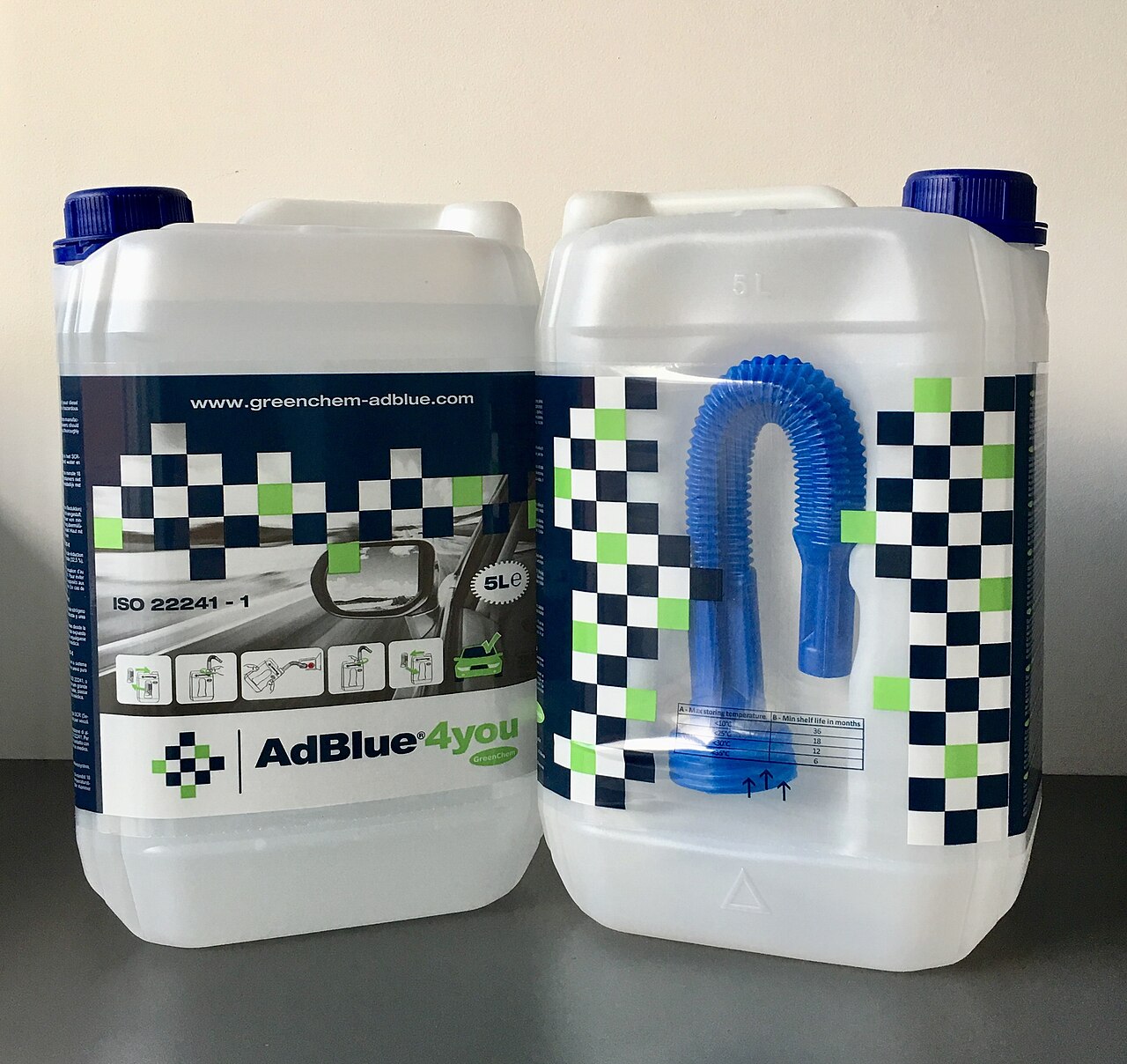
AdBlue isn't a fuel additive and it doesn't go into your diesel tank. It's a completely separate fluid stored in its own tank, usually under the boot floor, inside the engine bay or next to the diesel filler cap depending on the vehicle.
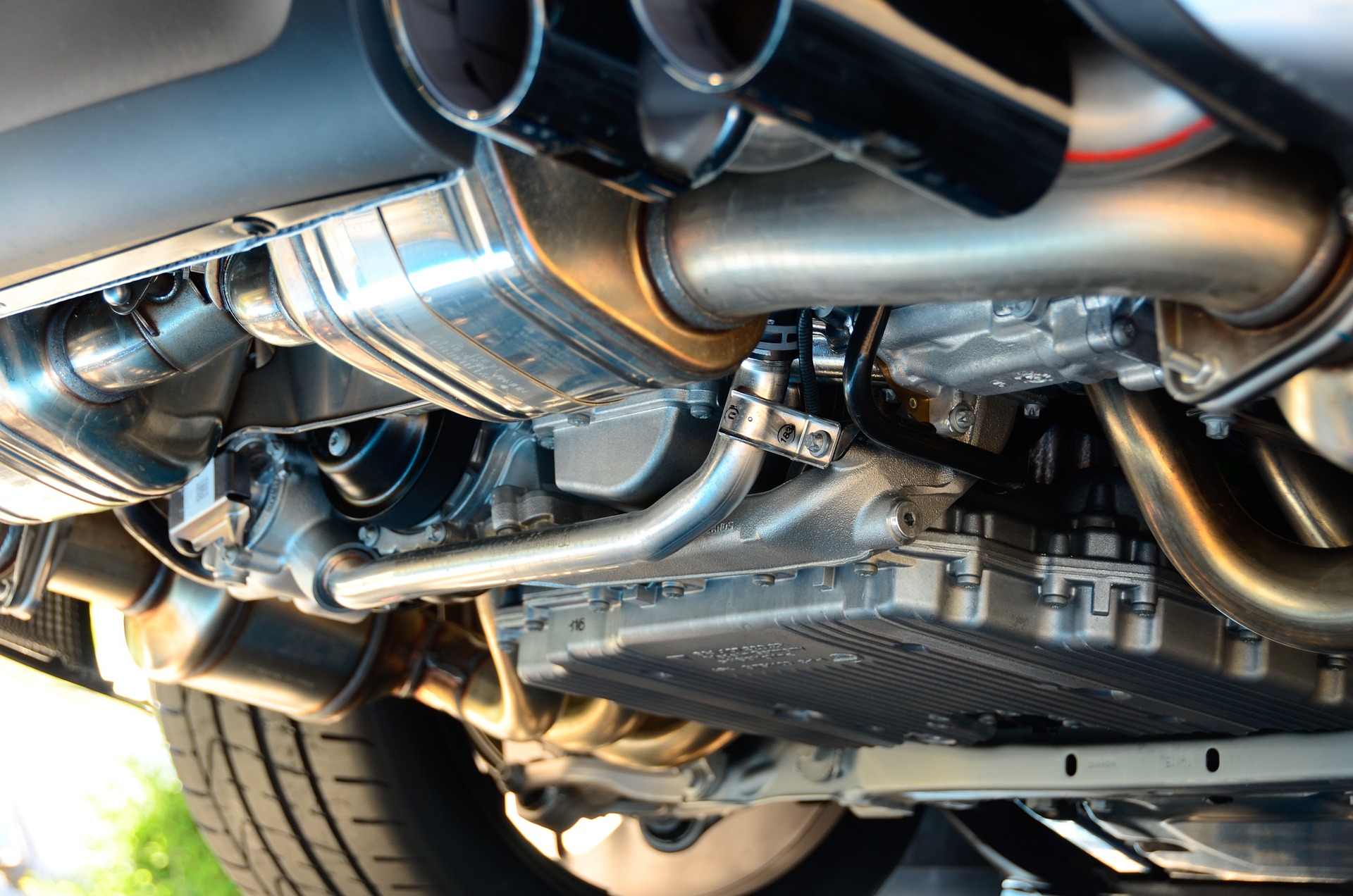
AdBlue is made from purified water and urea. Its job is to reduce harmful nitrogen oxide (NOx) emissions produced by modern diesel engines. The system injects a small amount of AdBlue into the exhaust where it reacts inside the SCR catalyst, converting harmful gases into harmless nitrogen and water vapour.
"AdBlue never goes into your diesel tank. Filling the wrong tank can cause thousands of pounds worth of damage."
Why Modern Diesels Need It
As emissions regulations became stricter, manufacturers had to find ways of making diesel engines much cleaner while still meeting performance and economy targets.
That's why many modern diesel vehicles now have several emissions systems working together, including:
- DPF (Diesel Particulate Filter)
- AdBlue system
- NOx sensors
- EGR system
What Happens When AdBlue Runs Low?
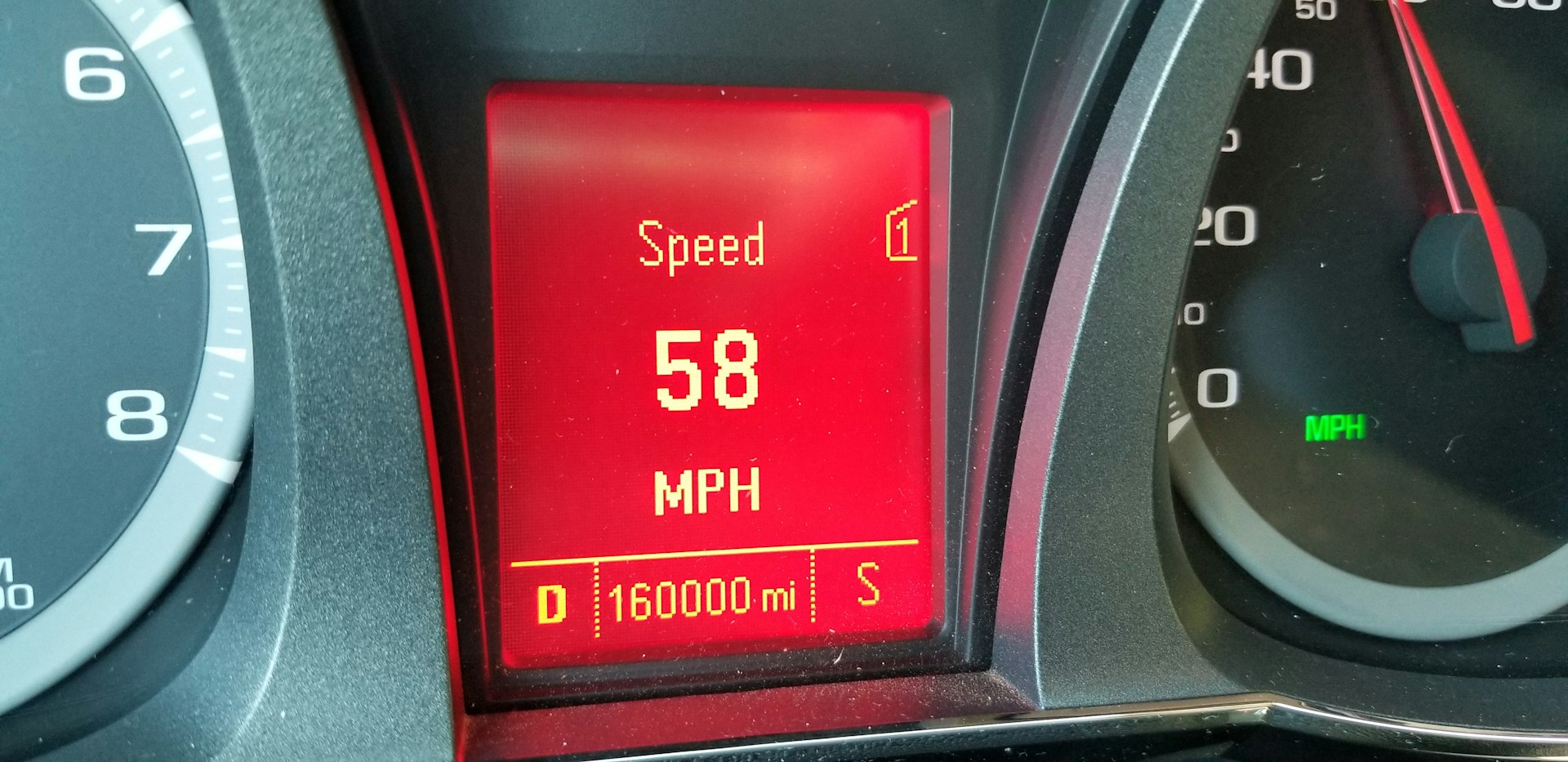
Most vehicles will give you plenty of warning before the AdBlue tank becomes empty, normally somewhere between 600 and 1,000 miles depending on the manufacturer.
Typical warnings include:
- AdBlue low warning
- Distance remaining message
- Engine management light
One thing many people don't realise is that most vehicles will continue driving normally when the warning first appears. However, if the tank becomes completely empty the vehicle will often refuse to restart once the engine has been switched off until AdBlue has been added.
Common AdBlue Faults I See
As a technician, the AdBlue fluid itself rarely causes problems. It's usually the components around the system that fail.
- Blocked AdBlue injectors caused by crystallisation
- Failed NOx sensors
- AdBlue tank level sensor failures
- AdBlue tank heater failures
- Damaged wiring or electrical faults
One of the most common faults I see is a blocked AdBlue injector. As the fluid crystallises it can block the injector, preventing the correct amount of AdBlue being sprayed into the exhaust. This can cause engine management lights, AdBlue warnings and emissions faults.
NOx sensors are another common failure. The vehicle relies on these sensors to monitor emissions, but they're often expensive to replace and can be a nightmare to remove because they're usually seized into the exhaust.
Some manufacturers have also suffered with AdBlue tank failures where the heater or level sensor inside the tank stops working. Unfortunately, on certain vehicles these parts aren't available separately, making the repair much more expensive.
Buying A Used Diesel
One thing I always look for when buying a diesel is how it's actually been driven.
Ask the previous owner or the salesperson what sort of journeys the vehicle has mainly done. Personally, I'd much rather buy a diesel that's covered 70,000 motorway miles than a 12-year-old diesel that's only covered 20,000 miles doing school runs and short trips around town.
Diesel engines are designed to reach full operating temperature. If they never get the chance to do that, emissions-related problems become much more likely.
Can You Ignore AdBlue Faults?
Modern diesel vehicles monitor their emissions systems very closely. If AdBlue faults are ignored, the vehicle may eventually:
- Enter limp mode
- Display restart countdown warnings
- Refuse to restart
- Fail emissions tests
The earlier a fault is diagnosed, the cheaper it normally is to repair. Ignoring warning lights nearly always makes the repair more expensive.
My Honest Opinion
AdBlue itself isn't something to be scared of. When everything is working properly, most drivers barely notice it's even there.
The problems usually aren't caused by the AdBlue system itself. They're caused by people buying a diesel that doesn't suit the way they actually drive. I see it all the time in the workshop. Someone buys a diesel because they've heard it's better on fuel, but they only use it for school runs, short trips or driving around town. A few years later they're facing expensive emissions-related repairs that could've been avoided.
If you're regularly covering motorway miles and driving longer distances, a diesel with AdBlue can be a brilliant choice. The system will usually look after itself, the DPF has a chance to regenerate properly and you'll benefit from the fuel economy diesel engines are known for.
If most of your driving is short journeys, stop-start traffic or town driving, I'd almost always recommend buying a petrol instead. It'll usually be cheaper to maintain, simpler to own and far better suited to the way you actually use your car.
"The biggest mistake isn't buying a petrol or a diesel. It's buying the wrong car for your lifestyle."
Choosing the right fuel type before you buy can save you thousands of pounds over the life of the vehicle. Think about how you actually drive every week, not what sounds best on paper.

Alfie has over 11 years of experience in the motor trade and founded Alfa Prestige to give buyers the insider knowledge that was previously only available to professionals.