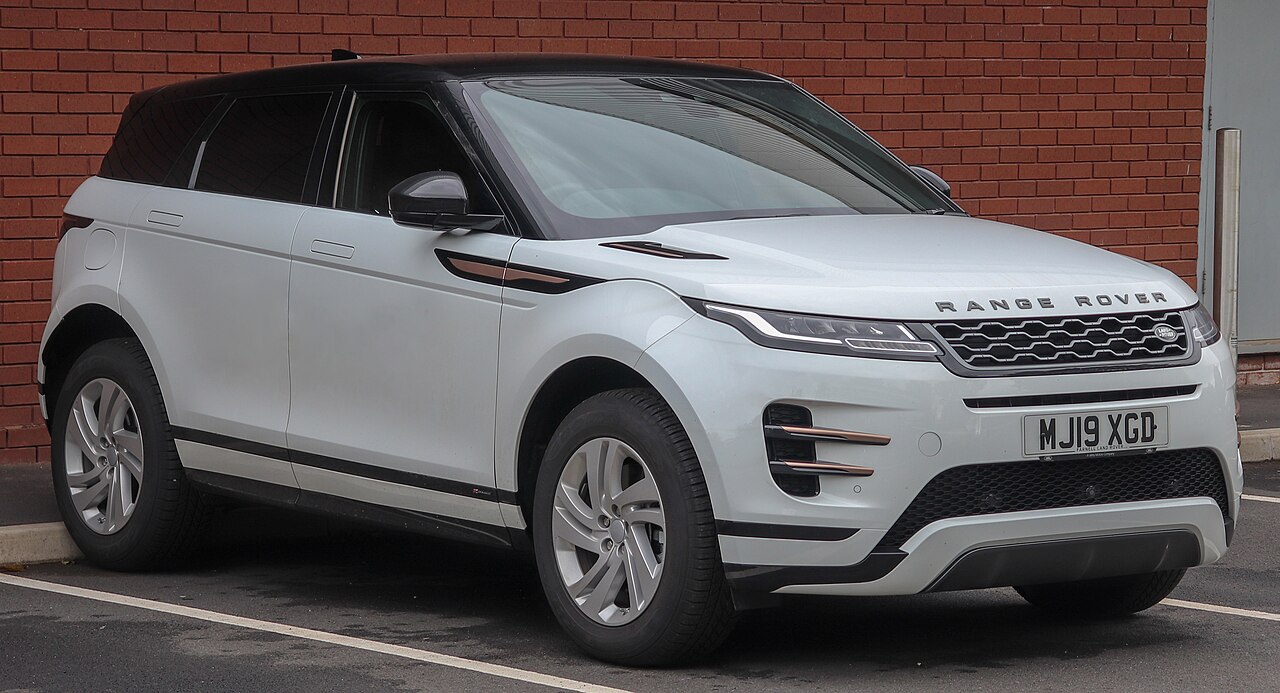
A used luxury car can look like an incredible bargain. The price has fallen — but the cost of running one hasn't fallen at the same rate. Here's what buyers often overlook before they can comfortably afford to own it.
A used luxury car can look like an incredible bargain.
A BMW 7 Series, Mercedes-Benz S-Class, Audi A8 or Range Rover that once cost more than many people's annual salary can eventually appear for the price of an ordinary family hatchback. You still get the badge, comfort, performance and road presence — but at a fraction of the original price.
The problem is simple: the car's value may have fallen, but the cost of maintaining it has not fallen at the same rate.
You may be able to afford the asking price. The more important question is whether you can comfortably afford the car after you have bought it.
This guide explains the costs buyers often overlook, the warning signs to watch for and how to decide whether a used luxury car genuinely fits your budget.
Why Used Luxury Cars Become So Affordable
Luxury cars often depreciate heavily during their first years. Buyers of new prestige cars usually want the newest styling, technology and registration, so demand for older examples falls quickly.
That depreciation can create genuine opportunities. A well-maintained older luxury car can offer outstanding comfort and quality for the money.
However, the lower purchase price does not turn it into a cheap car to run. It was designed and engineered as an expensive vehicle, and it may still require:
- Large premium tyres
- Powerful and costly braking components
- Complex suspension systems
- High-capacity engines and batteries
- Specialist diagnostics
- More expensive replacement parts
- Greater quantities of the correct oils and fluids
- Skilled labour from a marque specialist
A £15,000 luxury car may once have been an £80,000 car. Its current value is £15,000, but many of its parts were designed for an £80,000 car.
Purchase Price Is Only the Entry Fee
Many buyers calculate whether they can afford the deposit or monthly finance payment, then stop there. That only answers whether they can acquire the car — not whether they can own it responsibly.
Your real monthly budget should allow for:
- Finance or depreciation
- Insurance
- Vehicle tax
- Fuel or charging
- Routine servicing
- Tyres and brakes
- MOT and age-related maintenance
- Warranty costs, if appropriate
- Unexpected repairs
If paying the purchase price leaves you with no repair reserve, the car is probably outside your comfortable budget — even if the seller or finance company says you can afford it.
Servicing
Routine servicing can cost more because luxury vehicles may need specialist fluids, additional filters, larger quantities of oil and more labour. Some models also have separate maintenance requirements for automatic gearboxes, four-wheel-drive systems, air conditioning, differentials or hybrid components.
A service record should show more than regular engine-oil changes. Check whether important age- and mileage-related work has actually been completed.
Tyres
Large wheels are attractive, but they usually mean more expensive tyres. High-performance, reinforced or manufacturer-approved tyres can add considerably to the cost.
Four-wheel-drive cars may also require closely matched tyres. Replacing only one badly worn or damaged tyre might not always be the sensible solution.
Before buying, inspect:
- Remaining tread across the full width of every tyre
- Matching brands and specifications
- Cracks, bulges and sidewall damage
- Uneven wear that could indicate alignment or suspension problems
- The age of low-mileage tyres
A car wearing four cheap, mismatched tyres may suggest that its previous owner has maintained it on the smallest possible budget.
Brakes
Heavy, powerful cars require substantial brakes. Discs, pads and electronic parking-brake components can be costly, particularly on performance models.
Check for a lip on the brake discs, vibration during braking, warning messages and uneven wear. A car advertised just before it needs tyres and brakes may require a meaningful amount of money shortly after purchase.
Suspension
Air suspension and adaptive dampers can make a luxury car exceptionally comfortable, but complexity creates potential expense.
Possible faults include leaking air springs, weak compressors, failed height sensors, worn suspension arms and leaking adaptive dampers. Warning signs can include:
- One corner sitting lower than the others
- The vehicle dropping after being parked
- A compressor that runs frequently
- Suspension warning messages
- Knocking noises
- A harsh, bouncy or uneven ride
Do not assume a suspension warning is “just a sensor” without a proper diagnosis.
Technology and Electrical Equipment
Luxury cars often introduce technology before it reaches mainstream vehicles. That equipment is impressive when working, but expensive systems can become liabilities as the car ages.
Test every feature, including:
- Infotainment and navigation
- Digital displays
- Electric seat adjustment and memory
- Heating, ventilation and massage functions
- Cameras and parking sensors
- Adaptive cruise control
- Headlights and automatic high beam
- Panoramic roof and blind
- Powered boot lid
- Keyless entry
- Climate control in every zone
- Soft-close doors
One minor fault may be manageable. Several unrelated electrical problems can indicate low battery voltage, water ingress, damaged wiring or a vehicle that has not been properly maintained.
Fuel and Vehicle Tax
Large engines, heavy bodies and four-wheel drive can increase fuel use. Your likely real-world driving matters more than the best figure shown in an advert.
Short journeys, town driving and cold starts can make a substantial difference. Some diesel models may also be poorly suited to repeated short trips because their emissions systems need suitable driving conditions.
Check the vehicle's tax position using its exact registration and calculate fuel using your genuine annual mileage — not the mileage you hope to do.
Insurance
Insurance costs can vary significantly between apparently similar cars. Performance, repair costs, theft risk, your location and your personal history all matter.
Always obtain an insurance quotation for the exact vehicle before paying a deposit. Do not assume that an older car will automatically be cheap to insure simply because its market value has fallen.
Depreciation Does Not Reduce Repair Bills
This is the rule every luxury-car buyer should remember.
An expensive headlight does not become cheap because the car is ten years old. A complicated air-suspension system does not become simpler because the vehicle has lost most of its original value. Specialist labour does not suddenly cost less because you bought the car at auction.
In fact, repair costs can feel more severe as the car gets older because a major bill represents a larger percentage of its value.
That does not mean every older luxury car is a bad purchase. It means the condition, history and specification matter more than the attraction of a low asking price.
Main Dealer, Independent Specialist or General Garage?
A full main-dealer history can be reassuring, but it is not the only sign of a well-maintained car. A respected independent specialist may understand an ageing model extremely well and provide excellent maintenance at a more manageable cost.
The important questions are:
- Was the work completed on time?
- Were the correct parts, oils and fluids used?
- Were known model-specific issues dealt with properly?
- Are there detailed invoices to support the service stamps?
- Has the owner approved preventative work, or only repaired faults once the car stopped working?
A generic garage may be perfectly capable of routine work, but complex diagnostics and model-specific repairs often benefit from a specialist with the correct equipment and experience.
Before buying, identify a reputable specialist near you and ask about routine servicing and common repairs for the exact model and engine. If those costs make you uncomfortable, take that as a warning before you own the car.
Should You Buy an Extended Warranty?
An extended warranty can provide useful protection, but the word “warranty” does not mean every failure will be covered.
Check:
- The maximum claim amount
- Labour-rate limits
- Whether diagnostics are covered
- Included and excluded components
- Wear-and-tear rules
- Vehicle age and mileage restrictions
- Servicing requirements
- Whether pre-existing faults are excluded
- Whether you must use an approved repairer
- Whether consequential damage is included
Read the policy before buying it. A cheap warranty with a low claim limit and broad exclusions may offer far less protection than expected.
You should still retain an emergency fund. A warranty can reduce risk; it cannot remove every ownership cost.
How Large Should Your Repair Fund Be?
There is no single figure suitable for every luxury car. A Lexus saloon with an excellent history and conventional suspension presents a different risk from an older performance SUV with air suspension, large wheels and a complex diesel emissions system.
Instead of choosing an arbitrary amount, build your reserve around the actual car:
- Price the next scheduled service.
- Check the remaining life and replacement cost of all four tyres.
- Inspect the brakes and price the likely next replacement.
- Research the model's most expensive credible common faults.
- Obtain insurance and tax figures for the exact vehicle.
- Add a separate emergency repair reserve that you can access without borrowing.
If one foreseeable repair would force you to use high-cost credit, miss essential payments or sell the car immediately, the risk is too high for your current budget.
Low Mileage Does Not Always Mean Low Risk
Low mileage can be attractive, but it is only one part of a car's story.
An older luxury car may have spent long periods unused. Age can still affect tyres, batteries, seals, suspension components, fluids and electronic systems. Repeated short journeys can also be harder on some engines and emissions systems than steady longer-distance use.
Compare mileage with MOT records, service invoices and the condition of the interior. A consistent, well-documented history is more valuable than a suspiciously low number on the dashboard.
Why the Cheapest Example Is Often the Most Expensive
The lowest-priced car in the search results may appear to offer the best value. It may also need:
- A major service
- Four tyres
- Front and rear brakes
- Suspension repairs
- A replacement battery
- Outstanding recall or software work
- Repairs to equipment the seller describes as “easy fixes”
Once those costs are included, a more expensive but properly maintained example may be the better buy.
Compare the cost to make the car right, not just the advertised price.
The Luxury-Car Affordability Test
Before buying, answer these questions honestly:
- Can I pay the purchase price without using my repair fund?
- Have I obtained insurance for this exact vehicle?
- Do I know its current tax and realistic fuel cost?
- Can I afford its next service, tyres and brakes?
- Is a suitable independent specialist within reach?
- Have I checked the common faults for this exact engine and generation?
- Can I absorb an unexpected four-figure repair without financial distress?
- Will I still be comfortable owning it if fuel, insurance or maintenance costs rise?
- Am I buying this particular car because it is a good example, or because the badge is tempting?
If several answers are no, pause. Choosing a slightly simpler model, a better-maintained example or a less expensive specification can preserve the luxury experience without creating constant financial pressure.
Before Viewing
- Check the MOT history and mileage pattern.
- Obtain an insurance quotation.
- Verify vehicle tax using the exact registration.
- Research the exact engine, gearbox and model generation.
- Ask for photographs of the service record and invoices.
- Check for outstanding finance, theft markers and insurance history through an appropriate vehicle-history service.
- Identify a specialist who can inspect the car.
At the Viewing
- View the car from cold where possible.
- Check for dashboard warnings before and after startup.
- Test every electrical function.
- Inspect all tyres and brakes.
- Look for leaks, low fluid levels and signs of rushed repairs.
- Check panel gaps, paint finish and signs of accident damage.
- Make sure the specification matches the advert.
- Allow enough time for a meaningful test drive.
Before Payment
- Arrange an independent pre-purchase inspection.
- Consider a diagnostic scan even when no warning light is showing.
- Confirm everything promised by the seller in writing.
- Read any warranty terms in full.
- Calculate the immediate work the car will require.
- Keep your repair reserve separate from the purchase money.
When a Used Luxury Car Can Make Sense
A used luxury car can be a rewarding purchase when:
- You choose the right model and engine for your usage.
- The car has a strong, verifiable maintenance history.
- You arrange a proper inspection before buying.
- You understand the likely running costs.
- You have access to a knowledgeable specialist.
- You retain money for maintenance and unexpected repairs.
- You value condition and history above badge, age or mileage alone.
The goal is not to frighten buyers away from luxury cars. It is to prevent an exciting purchase from becoming an unaffordable obligation.

Alfie has over 11 years of experience in the motor trade and founded Alfa Prestige to give buyers the insider knowledge that was previously only available to professionals.