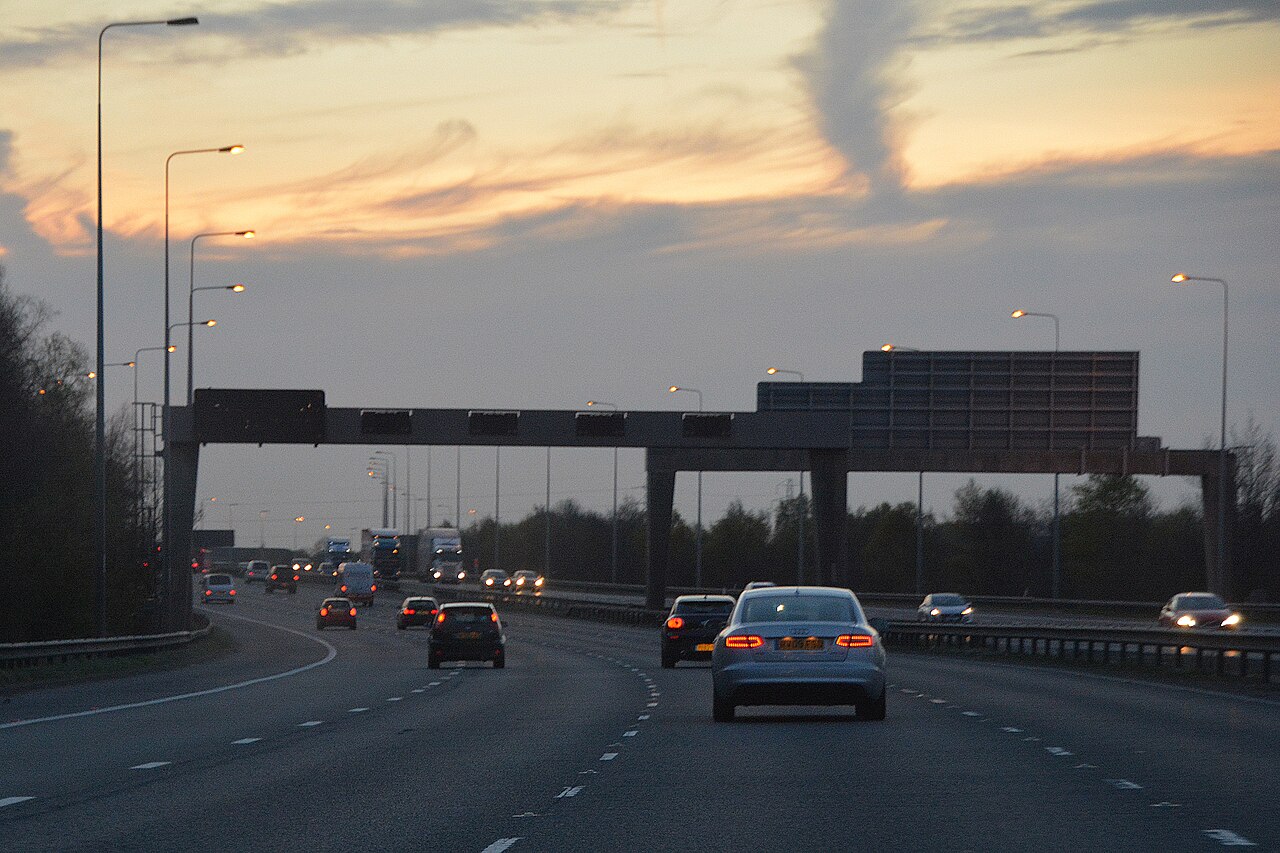
Fuel economy is one of the first things buyers look at, but real-world MPG can be very different to the figures manufacturers advertise.
Understanding Fuel Economy (MPG)
Fuel economy is one of the first specifications buyers look at, but it's also one of the most misunderstood, manufacturers quote laboratory-tested figures, whereas technicians see how vehicles perform after 5, 10 or even 15 years on the road. Real-world MPG can vary dramatically depending on engine type, maintenance, driving style, terrain and load.
A difference of just 10 MPG can easily save or cost over £1,000 per year for the average UK driver.
10–20 MPG – Extremely Poor Fuel Economy
Typical Vehicles
- Land Rover Range Rover 5.0 Supercharged V8
- BMW X5 M
- BMW M5 Competition
- Mercedes-AMG G63
- Audi RS6 Avant
- Ford Ranger Raptor 3.0 V6
- Dodge RAM 1500 V8
- Bentley Continental GT W12
- Lamborghini Urus
These engines consume large amounts of fuel because of:
- Large engine capacity
- Turbochargers producing high boost
- Heavy vehicle weight (often over 2.3 tonnes)
- Permanent four-wheel drive systems
- High rolling resistance tyres
Many owners underestimate running costs.
Example:
A Range Rover returning 16 MPG may require fuel every 250–300 miles, with annual fuel costs exceeding £6,000 for 12,000 miles.
20–30 MPG – Poor Fuel Economy
Typical Vehicles
- BMW 335i
- Audi S4
- Mercedes E350 Petrol
- Porsche Cayenne Petrol
- Volkswagen Touareg V6
- Jeep Wrangler
- Older Discovery 4
- Jaguar XF 3.0 Supercharged
- Toyota Land Cruiser
- Nissan Navara Automatic
Best suited for
- Drivers covering lower annual mileage
- People requiring towing capability
- Larger family vehicles
Most vehicles in this category are perfectly reliable but become expensive if used for long daily commutes, owners often focus on purchase price while forgetting fuel will eventually become one of the biggest ownership costs.
30–40 MPG – Average
Typical Vehicles
Petrol
- Ford Focus EcoBoost
- Volkswagen Golf 1.5 TSI
- Audi A4 2.0 TFSI
- BMW 320i
- Kia Sportage 1.6 GDi
- Hyundai Tucson 1.6 Petrol
Diesel
- BMW 320d
- Audi A4 2.0 TDI
- Mercedes C220d
- Volvo XC60 D4
40–50 MPG – Good
Typical Vehicles
- Kia Ceed 1.6 CRDi
- Kia Sportage 1.7 CRDi
- Hyundai i30 Diesel
- Ford Mondeo 2.0 TDCi
- Volkswagen Passat 2.0 TDI
- Skoda Octavia 2.0 TDI
- Seat Leon 2.0 TDI
- BMW 318d
- Mazda 6 Diesel
- Peugeot 308 BlueHDi
This is arguably the sweet spot, these vehicles generally provide:
- Comfortable motorway cruising
- Sensible servicing costs
- Excellent range between fuel stops
Most drivers covering 12,000–20,000 motorway miles per year will benefit from vehicles in this category.
50–60 MPG – Excellent
Typical Vehicles
- Toyota Corolla Hybrid
- Toyota Prius
- Skoda Superb Greenline
- Volkswagen Golf Bluemotion
- Peugeot 208 BlueHDi
- Kia Niro Hybrid
- Hyundai Ioniq Hybrid
These vehicles generally achieve over 600 miles per tank in real-world driving.
Excellent for:
- Sales representatives
- Commuters
- Taxi drivers
However...
Modern diesels should not be chosen purely because they achieve excellent MPG, drivers covering less than approximately 10,000 motorway miles per year may experience increased DPF and EGR-related issues.
60–70 MPG – Outstanding
Typical Vehicles
- Toyota Yaris Hybrid
- Hyundai Ioniq Hybrid
- Kia Niro PHEV
- Volkswagen Golf GTE
- Toyota Prius Plug-in
- Peugeot 208 Hybrid
Real-world MPG in this category depends heavily on charging habits and journey type.
Plug-in hybrids may achieve over 150 MPG for very short journeys when fully charged, but once the battery is depleted, fuel economy drops back down to whatever the combustion engine alone would normally return. The cheapest car to run isn't always the one with the highest MPG—it's the one that best matches the owner's driving habits while remaining reliable over time.

Alfie has over 11 years of experience in the motor trade and founded Alfa Prestige to give buyers the insider knowledge that was previously only available to professionals.