Some cars look great on paper and cost a fortune in reality. These are the models that appear most frequently in unplanned repair data.
Reliability data is drawn from owner surveys, independent garage records, and long-term fleet analysis. A car appearing on this list doesn't mean it's always bad — it means it has a statistically higher chance of causing problems than its competitors.
How We Compiled This List
We cross-reference multiple sources: JD Power surveys, Reliability Index data, What Car? reader surveys, and direct feedback from independent mechanics. Cars must appear consistently across sources to be included.
"A car's reliability profile shifts dramatically with age and mileage. A model that's robust at 50,000 miles can become expensive at 100,000. Always factor in where a specific car is in its lifecycle."
Models to Approach with Caution
Not every car on this list is a bad car — I just wanted to point out some things that are worth checking when purchasing.
From a technician's point of view, I'm far more interested in the engine, gearbox, service history and previous use than the badge on the bonnet. Two identical-looking cars can be completely different propositions depending on what is fitted underneath them.
These are some of the combinations I would investigate particularly carefully before buying.
Peugeot, Citroën, DS and Vauxhall — Earlier 1.2 PureTech Petrol
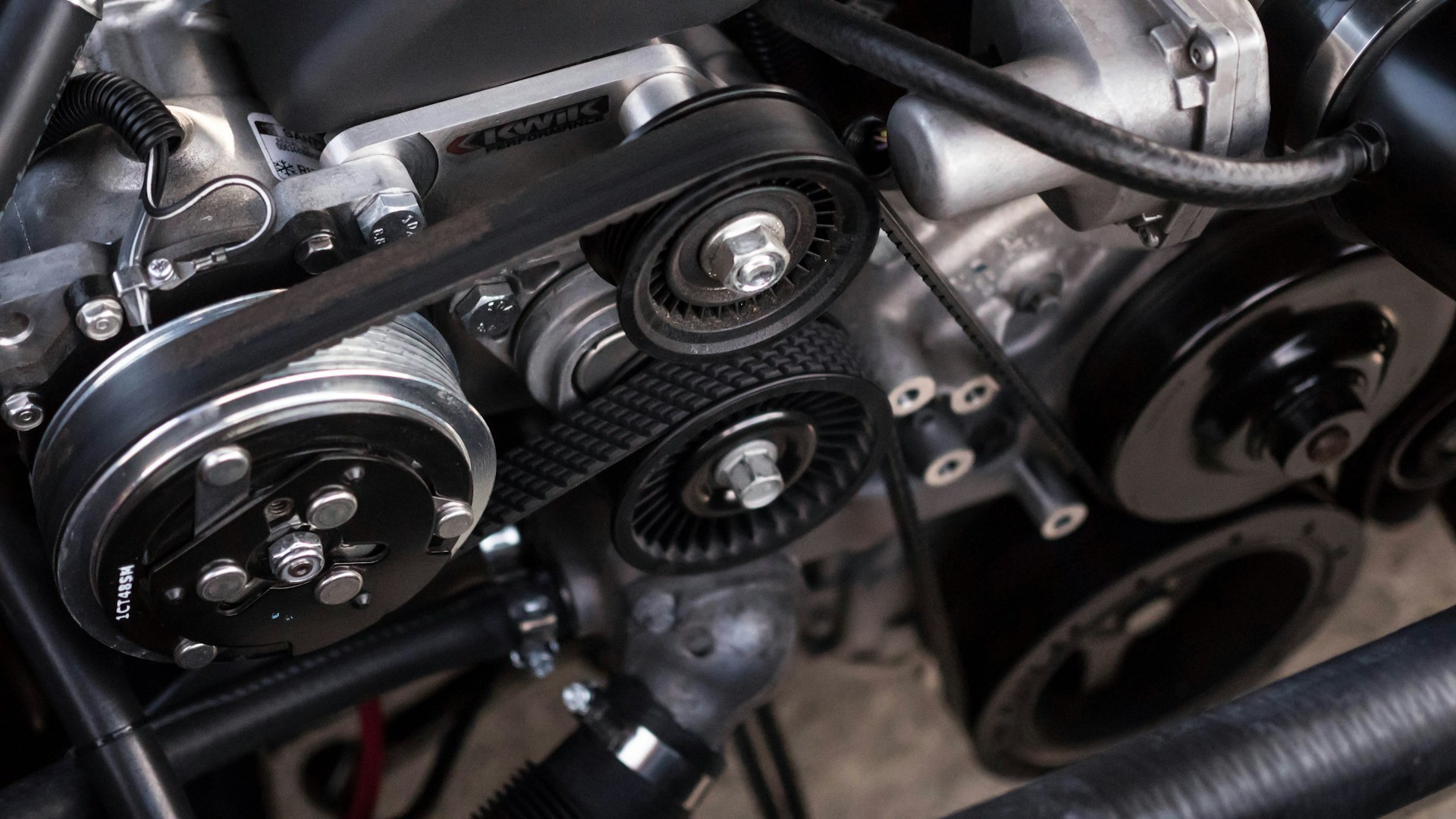
The 1.2 PureTech can be a nice enough engine to drive, but earlier versions use a timing belt that runs in the engine oil. The problem is that the belt can deteriorate, with material from it contaminating the oil system and potentially restricting the oil pick-up. This isn't just internet nonsense — Stellantis introduced extended warranty and compensation measures covering certain previous-generation PureTech engines for premature timing-belt degradation and excessive oil consumption. What I'd check: service history, correct specification oil, evidence of belt inspections or replacement, oil pressure warnings and the physical condition of the belt where it can be inspected. On one of these, poor maintenance history would concern me far more than mileage alone.
Nissan Qashqai J11 — 1.2 DIG-T Petrol
The Qashqai itself shouldn't automatically be avoided, but I would be much more careful with the 1.2 DIG-T. These engines have documented reports of excessive oil consumption and timing-chain rattle. A low oil level on inspection, especially with no sensible explanation from the owner, is something I would take seriously. What I'd check: cold-start timing-chain noise, oil level before the engine has been run, service history, signs that the engine has required frequent topping-up and any evidence of previous timing-chain work. A freshly warmed-up engine when you've specifically asked to see the car from cold would also make me ask why.
Ford Focus and Fiesta — Certain PowerShift Automatic Gearboxes
This is a good example of why saying "avoid all dual-clutch gearboxes" is wrong. Some PowerShift units are much more troublesome than others. The earlier dry-clutch versions in particular developed a reputation for juddering, hesitation and poor low-speed operation. Ford later discontinued the dry-clutch version used in certain Focus applications. What I'd check: drive it from completely cold, manoeuvre slowly forwards and backwards, pull away gently several times and make sure there is no excessive juddering, banging or hesitation. I'd also want evidence that any gearbox servicing required for that particular transmission has actually been carried out. Don't accept "they all drive like that" as an explanation for a gearbox that clearly isn't behaving correctly.
BMW Models Fitted with the N47 2.0 Diesel
The N47 is another engine where the exact powertrain matters more than simply saying "BMW diesels are unreliable." Its well-known concern is timing-chain wear. The chain is positioned at the rear of the engine, which makes significant timing-chain work considerably more labour-intensive than it would be on an engine with the chain at the front. Reports of N47 timing-chain failures have been documented for years. What I'd check: listen carefully from cold for abnormal metallic chain noise, establish exactly which engine is fitted rather than relying on the model badge, and look for evidence of frequent oil servicing or previous chain replacement. A good N47 with excellent maintenance can be a completely different purchase from one that has spent its life running extended oil-change intervals.
Range Rover Evoque and Land Rover Discovery Sport — 2.0 Ingenium Diesel
These are attractive used purchases because you can get a lot of car for the money, but some examples can become very expensive very quickly. Timing-chain issues have been reported on Land Rover's four-cylinder engines, while owners of earlier Evoques have also reported EGR and other powertrain-related faults. Service history is particularly important. With a modern diesel I'd also want to understand how the car has been used — a diesel that has spent years doing short journeys can give you a very different ownership experience to one that has regularly completed longer runs. What I'd check: genuine cold start, timing-chain noise, DPF condition and soot loading where diagnostic information is available, EGR-related faults, oil condition and level, outstanding fault codes and evidence of consistent servicing.
Red Flags to Watch For
- Dual-clutch gearboxes from any manufacturer pre-2018
- First-generation turbocharged direct-injection engines
- Complex air suspension systems on non-flagship models
- Infotainment systems that haven't received software updates
- Panoramic roofs on cars not designed with adequate drainage
The Important Bit
There is a big difference between a problematic engine design and a bad individual car.
I've seen supposedly unreliable cars reach very high mileages because they've been maintained correctly, and I've seen supposedly bulletproof cars ruined at relatively low mileage through poor servicing.
When buying used, I would always look at:
- The exact engine and gearbox combination
- Cold-start behaviour
- Service intervals and the correct oil specification
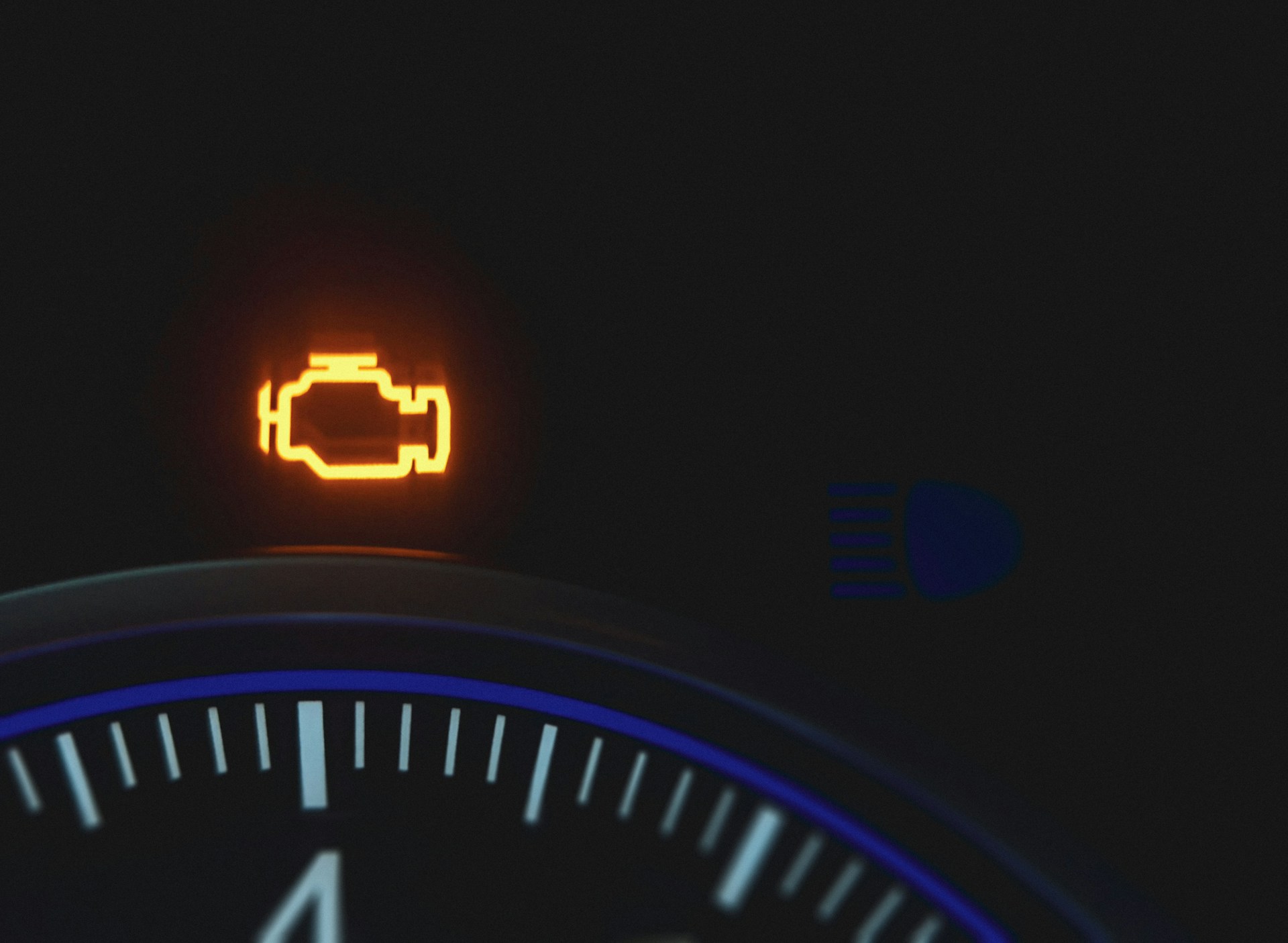
- Diagnostic fault history
- MOT history and recurring advisories
- Evidence of major preventative maintenance
- How the previous owner actually used the vehicle
Mileage on its own tells you surprisingly little.
"A 90,000-mile car with meticulous history can be a far safer purchase than a 50,000-mile example that's been neglected."

Alfie has over 11 years of experience in the motor trade and founded Alfa Prestige to give buyers the insider knowledge that was previously only available to professionals.