Three first cars I would genuinely recommend, based on reliability, running costs, insurance and what I have seen in the workshop.
Before Buying Your First Car
The problem with buying your first car is that a lot of people buy with their eyes instead of their head, and that is usually where expensive mistakes happen. You can have the nicest-looking car in the McDonald's car park, but when it breaks down on the way out, it suddenly does not seem quite as cool.
My advice with a first car is always the same: buy something that has been maintained properly rather than simply buying the car that looks best for the money. As a first-time driver, you need something that makes you feel safe and confident, starts every morning and does not constantly leave you worrying about the next repair bill.
My first car was a Vauxhall Corsa with a gear-selection cable that used to disconnect during nearly every journey. It looked good at the time, but stopping every 20 miles to reconnect the cable was not exactly ideal. That experience taught me very quickly that appearance means very little if the car underneath has not been looked after.
"For a first car, condition, service history and insurance cost matter far more than having the best badge, biggest wheels or sportiest-looking trim."
These are three first cars I would personally recommend looking at. None of them is guaranteed to be faultless, because every used car needs checking individually, but good examples should offer sensible running costs and a straightforward ownership experience.
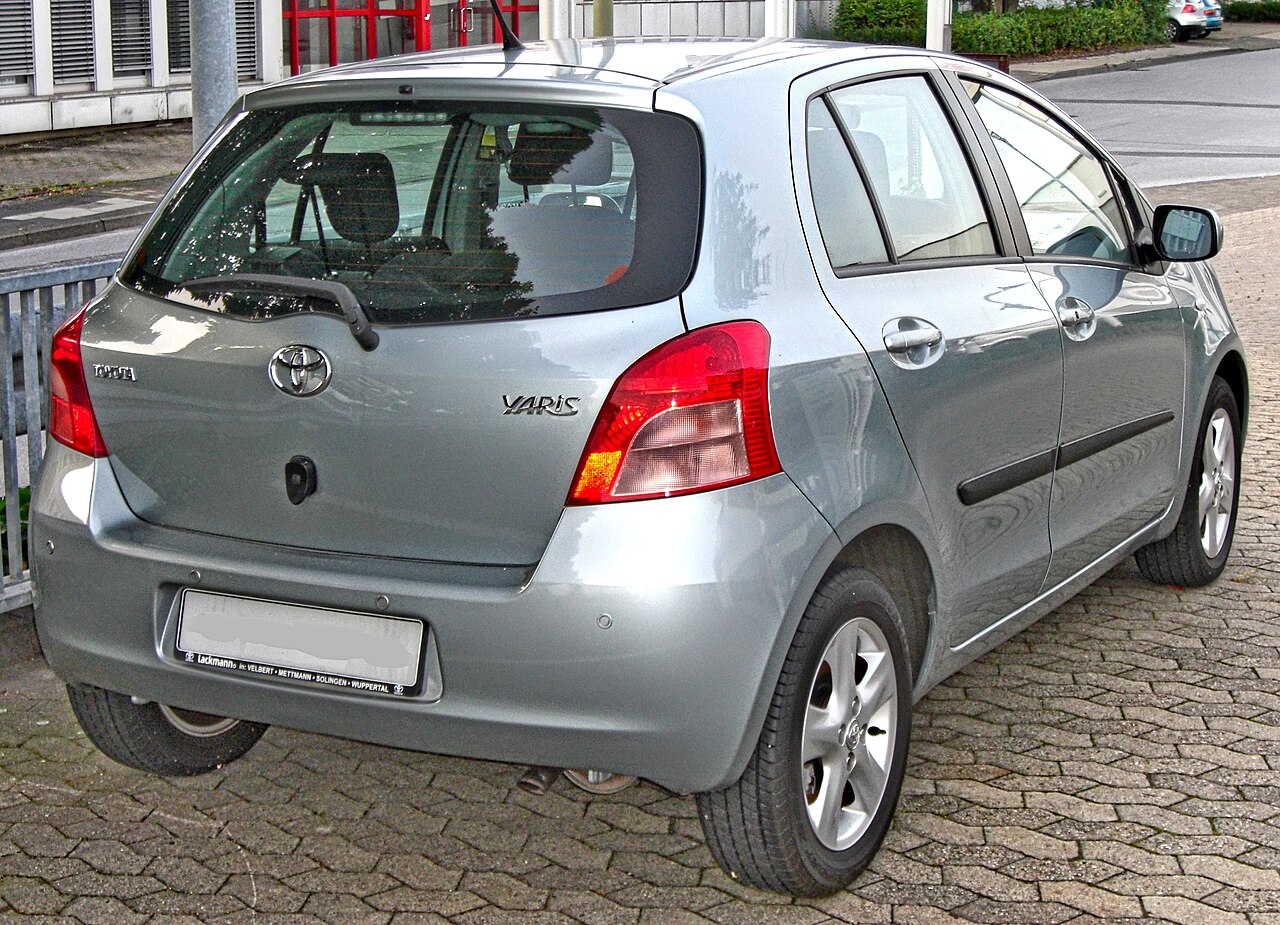
1. Toyota Yaris
If your main priorities are reliability and low running costs, the Toyota Yaris is still one of the safest places to start.
A lot of younger drivers overlook them because they are not the most exciting-looking cars on the road, but there is a reason you still see so many older examples being used every day. They are generally simple, dependable and reasonably inexpensive to maintain.
The naturally aspirated petrol engines are usually the versions I would look towards for a first-time buyer. They avoid much of the extra complexity associated with turbocharged engines and older diesel emissions systems, especially when the car is mainly going to be used for short journeys.
Why I Would Recommend a Toyota Yaris
- Generally affordable insurance on lower-powered models
- Low running and maintenance costs
- Good fuel economy
- Straightforward petrol engines
- Good reputation for long-term reliability
- Easy to drive and park
Mechanically, they do not suffer from a huge list of major common failures when they have been serviced correctly. As with any older car, however, neglect, corrosion and poor previous repairs can turn a normally reliable model into a bad purchase.
What I Would Check on a Toyota Yaris
- Clutch operation, including slipping, judder or a very high biting point
- Corrosion underneath, particularly around the sills and structural areas
- Service history and evidence of regular engine-oil changes
- MOT mileage records to make sure the mileage rises consistently
- Engine-oil level and condition
- Coolant level and any signs of contamination
- Tyre condition and whether the tyres match across each axle
- Previous MOT advisories that have repeatedly been ignored
When checking the sills, look underneath rather than relying only on what you can see from the side. Be cautious of fresh underseal, filler or paint that could be covering corrosion. Do not aggressively press structural panels with your fingers, but check for obvious swelling, bubbling or areas that feel unusually weak.
Also check underneath the engine-oil filler cap. A small amount of creamy residue can sometimes be caused by condensation, particularly on a car that only completes short journeys. However, heavy contamination alongside coolant loss, overheating or poor running needs investigating properly because it could indicate coolant mixing with the engine oil.
Do not be scared of slightly higher mileage on a Yaris if the car has clearly been maintained. I would rather buy a cared-for example with 90,000 miles than a neglected one showing 50,000 miles with no proper history.
Who a Toyota Yaris Is Best For
- First-time drivers
- People prioritising reliability
- Drivers wanting to keep maintenance costs sensible
- People mainly completing local or shorter journeys
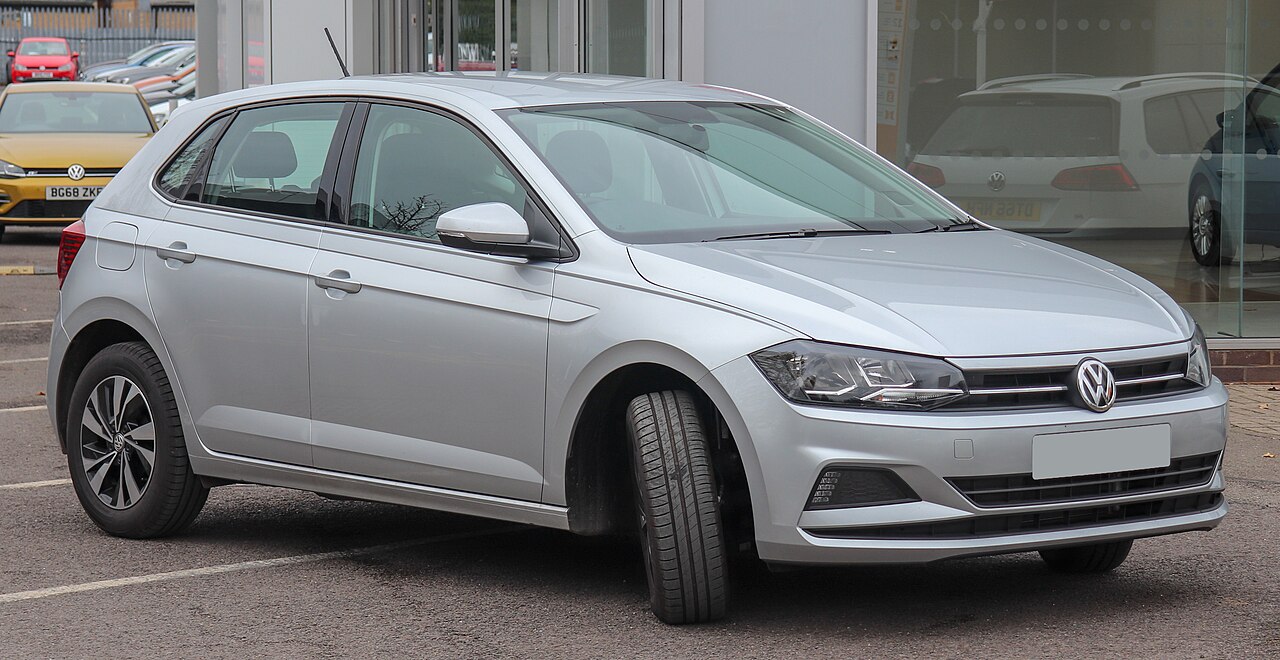
2. Volkswagen Polo
The Volkswagen Polo is one of the most popular first cars for a reason. They still look modern, feel solid on the road and often have a better-quality interior than some similarly priced small cars.
They are comfortable enough for longer journeys, easy to drive around town and generally hold their value well. However, I would not automatically assume that every Polo will be cheap to own just because it is a small car.
Insurance can be more expensive than expected depending on the engine, trim level and previous claims data attached to that particular model. R-Line versions can look appealing, but the larger wheels, sportier styling and specification can sometimes increase both insurance and replacement costs.
For a first-time buyer, I would normally look towards a lower-powered petrol engine with good service history. The exact engine matters because different generations of Polo use different timing systems and have different common faults, so the engine code and year should always be checked rather than treating every Polo as the same car.
Why People Like the Volkswagen Polo
- Modern styling
- Solid and well-built interior
- Easy to drive
- Comfortable on longer journeys
- Good resale value
- Plenty of choice on the used-car market
What I Would Check on a Volkswagen Polo
- Any rattling from the engine when starting from cold
- Correct timing-belt or timing-chain maintenance for the specific engine
- Clutch operation and signs of wear caused by heavy town driving
- Smooth gear selection with no crunching or difficulty engaging gears
- Warning lights on the dashboard
- Evidence of regular servicing with the correct engine oil
- Suspension knocks and uneven tyre wear
- Cheap tyres, neglected bodywork or repeated MOT advisories
- Signs that the car has been modified, remapped or driven hard
Always try to hear the engine start from cold. A seller who has already warmed the engine before you arrive may simply be trying to be helpful, but it also prevents you from hearing cold-start rattles, uneven running or other faults that are less obvious once the engine is warm.
"There is a massive difference between a Polo that has been cared for and one that has been passed between several young owners and maintained as cheaply as possible."
If you find a clean, standard Polo with proper history, good tyres and evidence that the owner has actually cared about it, you can end up with an excellent first car.
3. Ford Fiesta
In my opinion, the Ford Fiesta is close to being the perfect first car when you choose the right engine and find one that has been maintained properly.
The Fiesta has been one of the UK's most popular first cars for years. They are widely available, generally affordable to repair, easy to drive and supported by a huge supply of new and used parts.
One of the biggest reasons people like them is that they are enjoyable to drive without feeling intimidating. The steering is light, visibility is generally good and the car is small enough to make parking and town driving straightforward while a new driver is still building confidence.
For many first-time buyers, the older 1.25-litre or 1.4-litre naturally aspirated petrol engines are sensible options, subject to insurance prices and the condition of the individual car. They are relatively simple and can be much less stressful to own than jumping straight into a turbocharged or performance-focused model.
A Warning About the EcoBoost
I would be cautious about rushing into an EcoBoost Fiesta as a first car without fully understanding its maintenance history. Certain EcoBoost engines use a timing belt that runs in engine oil, commonly referred to as a wet belt.
These engines can be perfectly usable when the correct oil has been used, servicing has been completed on time and the belt has been monitored or replaced correctly. The problem is that many owners do not understand the system or even realise the engine has a wet belt until deterioration causes oil-pressure issues, blocked oil pickups, running problems or serious engine damage.
Coolant-system faults and overheating history also need checking carefully. For a first-time buyer who wants the simplest possible ownership experience, the older naturally aspirated petrol engines are usually the safer place to start.
Why I Would Recommend a Ford Fiesta
- Affordable and widely available parts
- Large supply of used replacement components
- Good fuel economy
- Easy and enjoyable to drive
- Low tax on many versions
- Plenty of mechanical knowledge and repair information available
- Still looks modern compared with many older hatchbacks
What I Would Check on a Ford Fiesta
- Clutch biting point, slipping or judder
- Suspension knocks, including possible broken coil springs
- Corrosion around the sills, wheel arches and underside
- Complete service and MOT history
- Repeated emissions-related MOT failures or warning lights
- Condition of the exhaust and lambda-sensor wiring
- Operation of the folding front-seat handles on three-door models
- Matching tyres with legal tread and no sidewall damage
- Evidence of modifications, lowering, remapping or hard use
Broken front-seat release handles are extremely common on older three-door Fiestas. I would not reject an otherwise good car because of that. Replacement handles are inexpensive and can normally be fitted with some patience, so use the fault as a bargaining point rather than assuming it is a major problem.
I have bought a lot of Mk7 Fiestas because they can be brilliant cars when maintained properly. I have also come across plenty with engine-management lights or emissions faults. In my own experience, oxygen-sensor faults are common and can sometimes be straightforward to repair, but you should never assume that a warning light is definitely caused by a cheap sensor without carrying out proper diagnostic testing first.
Be particularly careful with modified examples. A lot of Fiestas have been mapped, lowered, fitted with loud exhausts or driven hard by younger owners. I would much rather buy a completely standard car with full history than one covered in modifications with no evidence of how the work was completed.
Insurance Reality
Never assume a small engine automatically means cheap insurance. Insurance prices are based on far more than engine size, and two cars that appear almost identical can produce completely different quotes.
Fiestas and Polos can sometimes cost more to insure than expected because they are popular with younger drivers and appear frequently in claims data. Always obtain an insurance quote before travelling to view the car.
What Can Affect the Insurance Price
- Engine size and power output
- Exact trim level
- Insurance group
- Factory-fitted wheels and specification
- Any modifications
- Where the vehicle will be kept overnight
- The driver's postcode, occupation and annual mileage
- Whether a telematics or black-box policy is used
Even small modifications need declaring. Wheels, suspension, exhausts, remaps and cosmetic changes can all affect the validity or price of an insurance policy.
My Honest Recommendation
If I was helping a family member buy their first car, I would tell them to look for a standard, lower-powered petrol model with full service history, sensible mileage, good tyres and no modifications.
For a Fiesta, my starting point would usually be a manual 1.25-litre petrol with proper maintenance history. It might not be the fastest or flashiest option, but it should offer a much less stressful introduction to car ownership.
Whichever model you choose, do not buy purely because it looks good in photographs. Check the MOT history, confirm the mileage, inspect the service records, hear the engine start from cold and road-test the car properly.
"The best first car is not necessarily the newest, lowest-mileage or best-looking one. It is the car that has been maintained properly and that you can realistically afford to insure, service and repair."
If you have found up to three first cars you are considering, our Expert Vehicle Review can analyse their VDI and MOT history, identify common mechanical risks and give you an honest BUY, BUY WITH CAUTION or WALK AWAY verdict before you commit your money.

Alfie has over 11 years of experience in the motor trade and founded Alfa Prestige to give buyers the insider knowledge that was previously only available to professionals.