The motor trade has insider knowledge most buyers never see. Here's the essential pre-purchase checklist that could save you thousands — and protect you from a costly mistake.
Buying a used car is one of the largest financial decisions most people make outside of property. Yet the majority of buyers walk into it with little more than a test drive and a gut feeling — and that's exactly how dealers and private sellers take advantage.
After more than 11 years in the motor trade, we've seen every trick in the book. This checklist covers the checks that professional buyers carry out every single time — and that you should too.
"The single most common mistake buyers make is falling in love with a car before they've checked it properly. Emotion clouds judgement. Go in with a process, not a feeling."
The 10 Checks That Matter
Run a Full History Check Before You Even View It
Before you travel to see any car, run a history check. You're looking for outstanding finance (which means the car could be repossessed even after you buy it), write-off status (Cat A, B, S or N), mileage discrepancies, stolen markers, and the number of previous keepers. A £10 check can save you thousands.
Inspect the Body Panel Gaps and Paintwork
Stand back and look at the gaps between every panel — bonnet, doors, boot. They should be even and consistent. Uneven gaps suggest the car has been in a significant accident and poorly repaired. Shine a torch along the paintwork to look for ripples, orange peel texture, or colour mismatches between panels.
Check Every Panel for Filler Using a Magnet
A cheap pound-shop magnet dragged gently across panels will stick to metal but not to body filler. This reveals accident repairs that weren't declared — sometimes covering major structural damage. Pay particular attention to the front quarters, sills, and rear arches.
Look for Water Ingress in the Boot and Footwells
Pull back the boot carpet and press the spare wheel well — damp foam or rust is a sign of water ingress. Check all four footwells too. Water in a car causes persistent electrical issues and rust that spreads invisibly through the floor structure.
Start the Engine From Cold
Always insist on viewing a car that has been sat overnight — not one that's been recently warmed up. Cold starts reveal a huge amount: blue smoke indicates oil burning, white smoke suggests coolant in the combustion chamber, and rattles on startup can indicate worn timing chain components. Warm engines hide all of this.
Check the Oil and Coolant
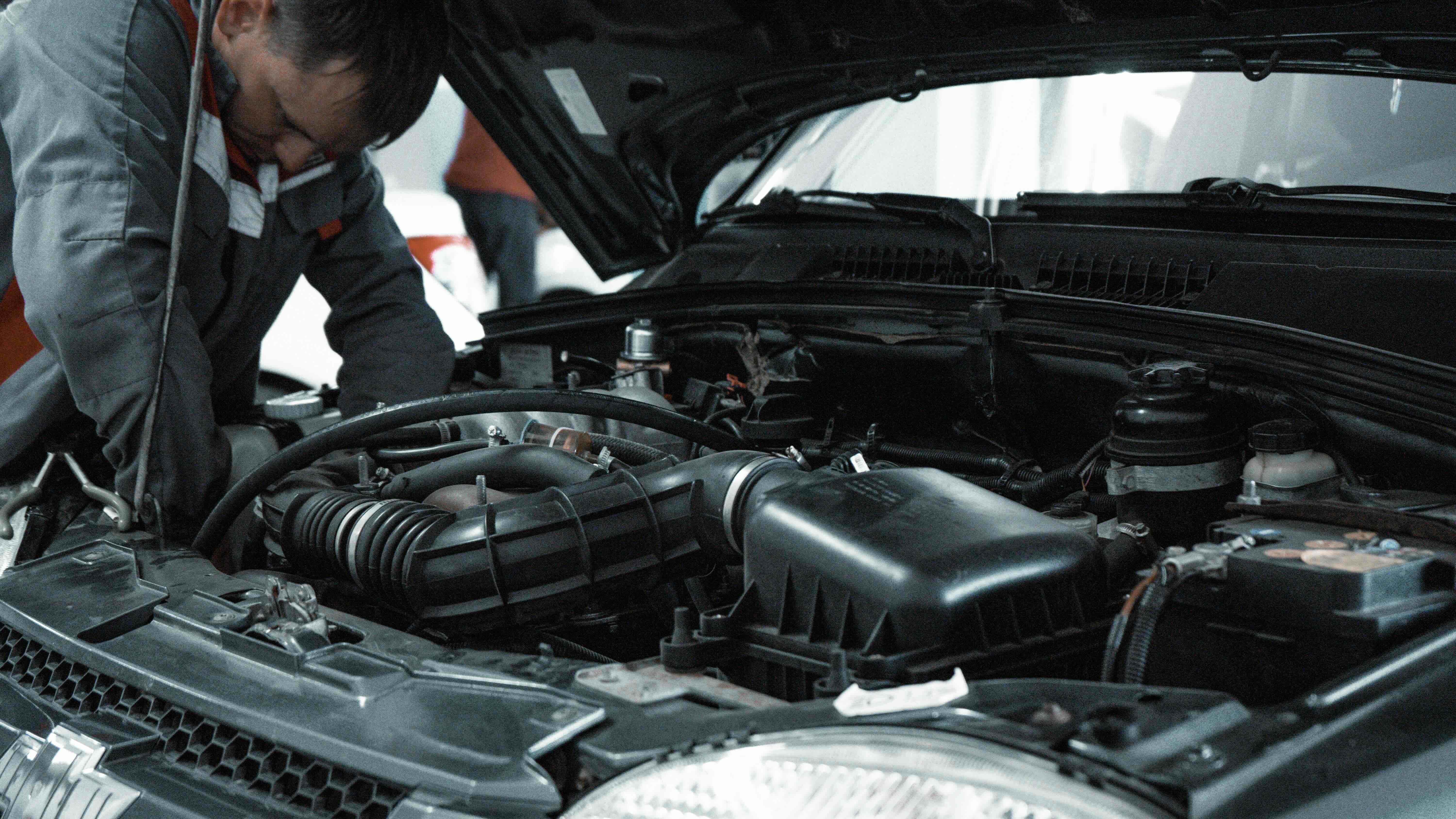
Pull the dipstick and look for milky or frothy oil — a classic sign of head gasket failure. Check the coolant reservoir for the same. Healthy oil is amber to dark brown. Black sludge suggests the car has been neglected. While you're there, look for oil leaks around the rocker cover and around the sump.
Test All Electronics Thoroughly
Every button, switch and screen. Windows, mirrors, air conditioning, heated seats, lane assist, parking sensors, multimedia — all of it. Electrical repairs on modern cars are some of the most expensive you can encounter, and intermittent faults are notoriously hard to diagnose. If something doesn't work, factor the repair cost into your offer.
Drive It Properly — Not Just Round the Block
A meaningful test drive is at least 20 minutes on a varied route: urban crawl, A-road acceleration, motorway speeds. Listen for knocks over bumps (suspension), vibration through the steering wheel (tracking or wheel balance), hesitation under acceleration, and any braking pull to one side. Drive over speed bumps slowly to check for clunking.
Check the Tyres and Brakes
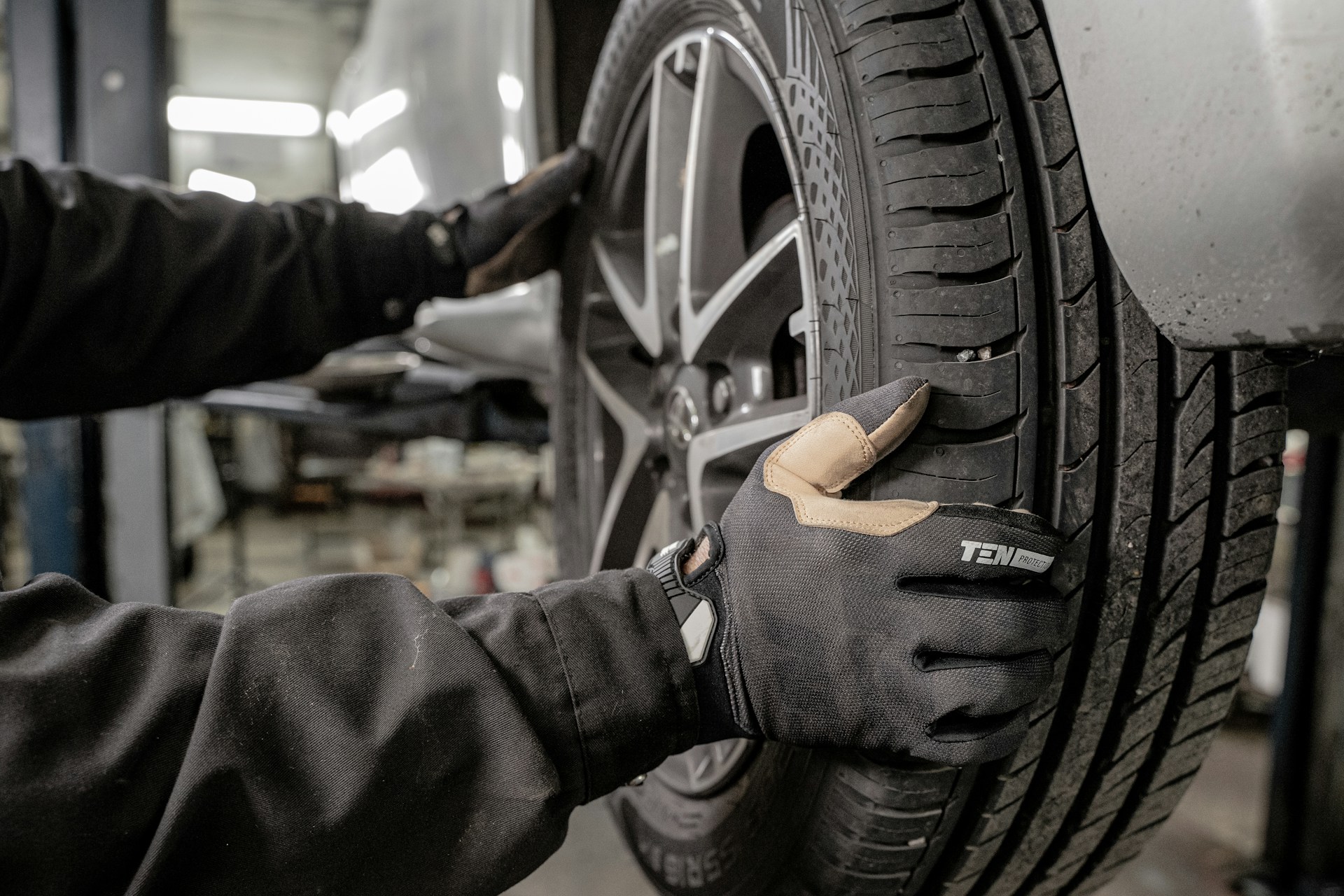
New tyres on an older car can be a warning sign — sellers sometimes replace them to obscure uneven wear caused by suspension problems. Check the tread depth across the full width of each tyre. Press the brake pedal firmly: it should feel solid, not spongy. If possible, feel the brake discs for deep scoring.
Verify the Service History and Match the VIN
Service history should be consistent with the mileage and age. Check the stamped booklet or digital records. Then verify the VIN — it appears on a plate on the dashboard (visible through the windscreen), on a sticker in the door jamb, and stamped into the chassis. All three should match each other and the V5C logbook.
Cold starts are where problems reveal themselves. If a seller makes excuses about why the car is already warm — walk away.
Quick Reference Checklist
Run through these before every viewing:
- History check completed before travel
- Panel gaps checked from all angles
- Magnet test carried out on all body panels
- Boot and footwells checked for damp
- Car viewed cold — not pre-warmed
- Oil and coolant inspected
- All electronics tested systematically
- Test drive on varied roads for at least 20 minutes
- Tyres and brake discs inspected
- VIN matched across dashboard, door jamb and V5C
When to Walk Away
No car is worth compromising on if you find any of the following: outstanding finance, a Cat A or B write-off, mismatched VINs, a seller who won't allow a pre-purchase inspection, or a cold start that reveals smoke or rattles. The right car for the right price exists — patience is always cheaper than a bad buy.
If you're unsure about any of the cars you're considering, our Expert Vehicle Review will give you a complete, independent picture of their history, value and what to watch out for — before you commit a penny.

Alfie has over 11 years of experience in the motor trade and founded Alfa Prestige to give buyers the insider knowledge that was previously only available to professionals.