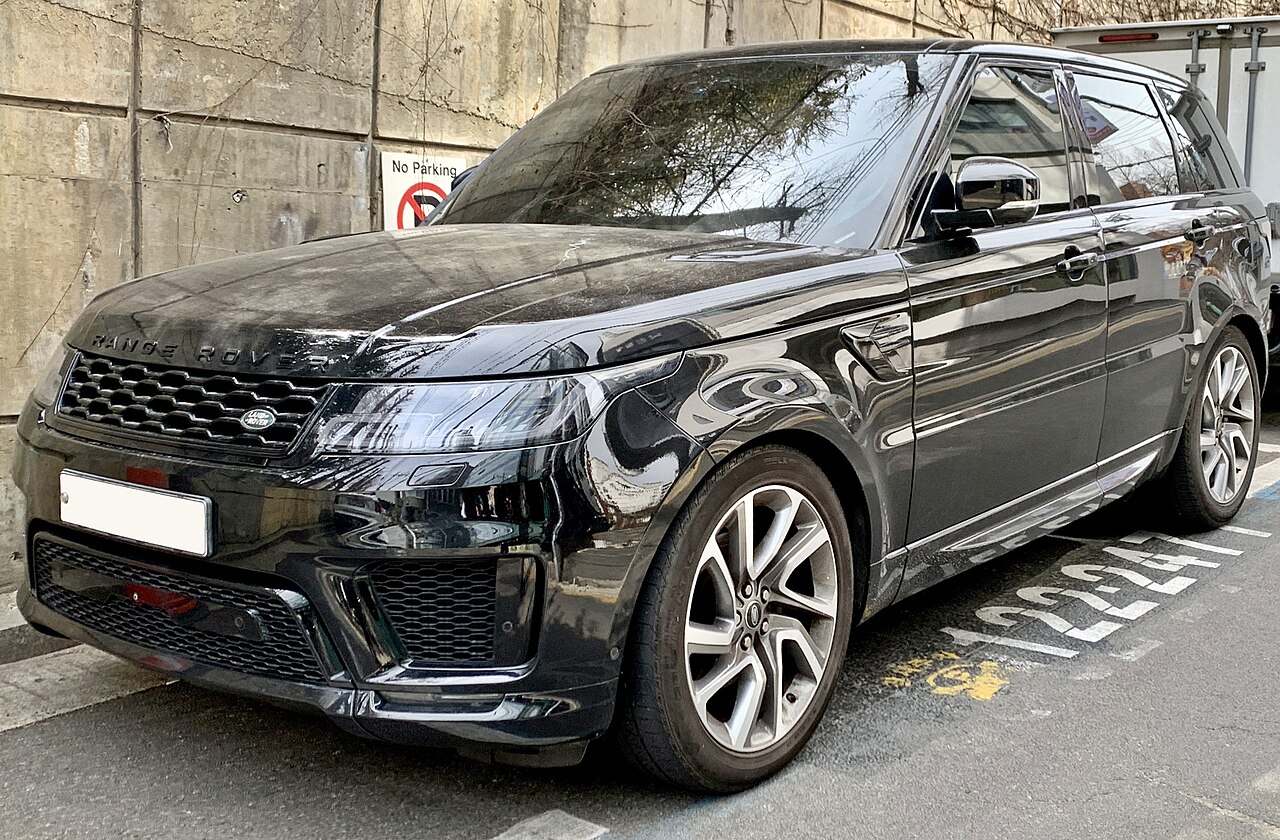
The L494 Range Rover Sport is still a brilliant vehicle, but it's now old enough that maintenance history is absolutely critical.
- Fuel Type
- Diesel
- Engine
- 3.0 TDV6
- Model Years
- 2014–2020
Technician Overview
The L494 Range Rover Sport is still a brilliant vehicle, but it is now old enough that maintenance history is absolutely critical. There are several potentially expensive jobs that need checking before buying one.
Timing Belts — Make Sure Both Have Been Done
The 3.0 TDV6 uses two belts that require replacement:
- Main engine timing belt
- High-pressure fuel pump drive belt
The commonly quoted replacement interval is around 112,000 miles or 7 years, whichever comes first, although we'd always confirm the exact schedule against the specific vehicle.
On many 2014–2020 examples, age alone means this work should already have been completed.
Don't accept “the previous owner said it was done.” We'd want to see an invoice showing exactly what was replaced and when.
It's a time-consuming job and can be expensive, particularly when both belts are correctly replaced together.
Suspension Arms & Bushes
These are heavy vehicles and suspension components take a lot of punishment. Worn suspension arms and bushes are common as mileage increases.
Symptoms can include:
- Knocking over bumps
- Clunking when braking or accelerating
- Wandering steering
- Uneven tyre wear
- Excessive movement from suspension bushes
A quiet test drive doesn't always tell the whole story, so ideally the vehicle needs inspecting on a ramp.
Active Anti-Roll Bar Hydraulic Pipes
Some Range Rover Sports are fitted with a hydraulic active anti-roll system. The metal high-pressure pipes associated with the system can corrode and eventually leak.
This can become a particularly expensive repair because access to sections of the pipework can involve subframe removal or significant dismantling.
Where to Look
Pay particular attention to the pipework towards the rear of the vehicle. Some of the rear sections can be inspected by looking underneath around the rear bumper and rear subframe area.
Look for:
- Heavy surface corrosion
- Flaking metal
- Dampness around hydraulic pipes
- Previous pipe repairs
- Hydraulic fluid staining
Catching corrosion before the pipes actually burst could save a substantial repair bill.
Technician Insider Tip
Don't buy a Range Rover Sport purely because it's the cheapest one with the specification you want. With these, maintenance history is far more important than getting another couple of optional extras.
A slightly more expensive example with documented belts, suspension work and proper servicing can easily work out cheaper than a bargain car that needs £5,000 worth of maintenance shortly afterwards.
Technician Verdict
Brilliant vehicles when maintained properly, but they aren't cheap cars to neglect. Check the timing-belt documentation, suspension and active anti-roll-bar pipework properly before buying.

Alfie has over 11 years of experience in the motor trade and founded Alfa Prestige to give buyers the insider knowledge that was previously only available to professionals.