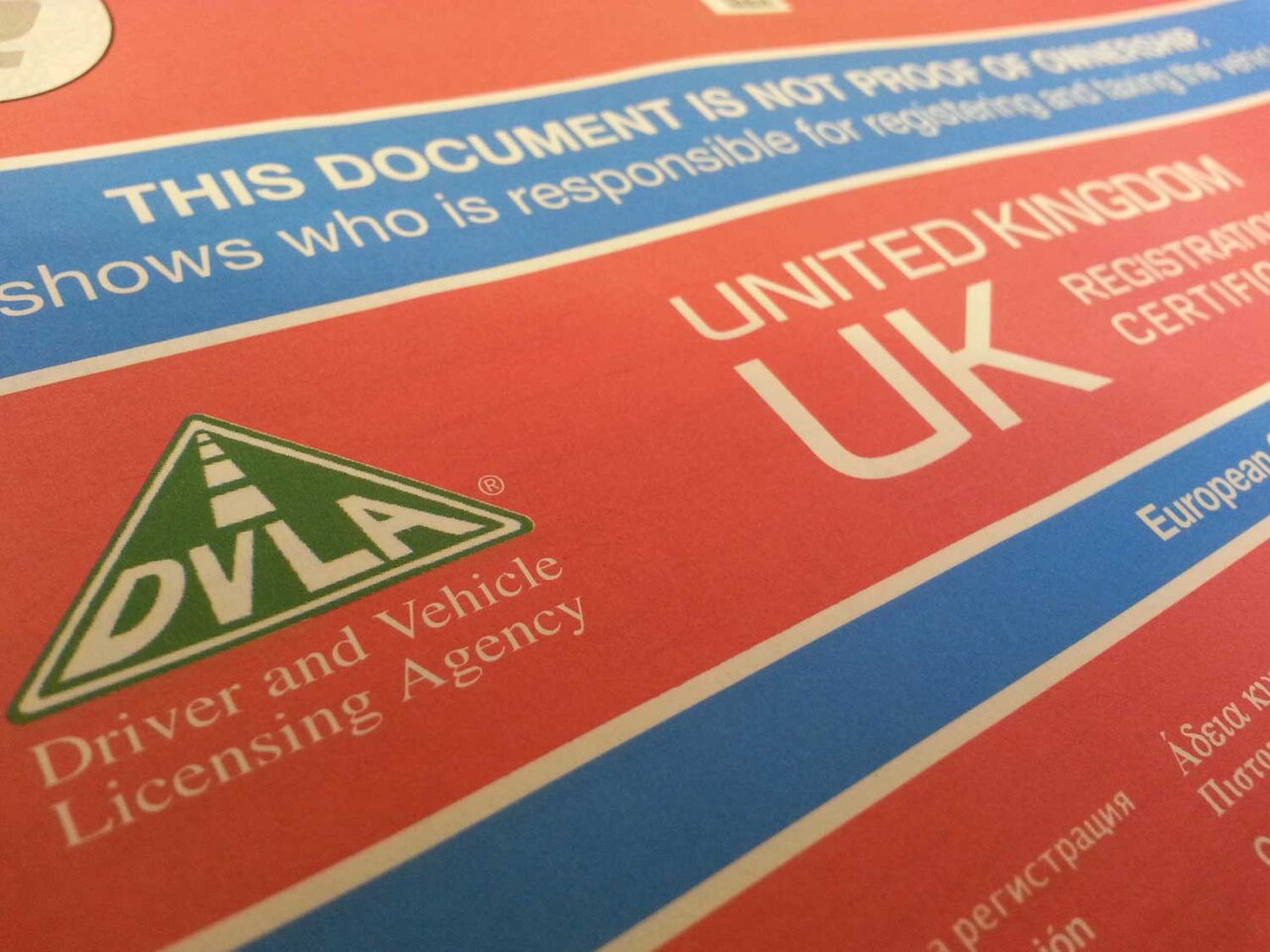
A history check is non-negotiable before buying any used car. Here's exactly what it reveals, what it doesn't, and how to interpret the results.
A car history check aggregates data from multiple sources — the DVLA, finance houses, insurance databases, and police records — into a single report. For £10–£30, it's the best-value due diligence step you can take before buying any used car.
What a History Check Covers
- Outstanding finance (HP or PCP agreements against the car)
- Write-off status (Cat A, B, S or N)
- Stolen vehicle register
- MOT history and mileage at each test
- Number of previous registered keepers
- Colour and specification changes
Finance Checks
This is the most critical element. Outstanding finance means the lender has a legal charge over the vehicle. Even if you buy it in good faith, the lender can repossess the car. The only protection is a history check that comes back clean — or a receipt from the lender confirming settlement.
"In 2025, approximately 1 in 12 used cars checked had outstanding finance. This is not a rare edge case — it's a common risk that a simple check eliminates."
Write-Off Categories
Category A and B: structurally dangerous, must be crushed. Category S (structural): can be repaired and returned to the road with an engineer's sign-off. Category N (non-structural): damage is cosmetic or to non-structural components. Cat S and N cars carry a permanent marker and reduced resale value — they should be priced accordingly.
Limitations
History checks are only as good as the data fed into them. Private finance agreements, informal loans, and some older HP agreements may not appear. Crash repairs carried out without an insurance claim won't show up either — which is why a physical inspection and magnet test remain essential regardless of what the history check shows.

Alfie has over 11 years of experience in the motor trade and founded Alfa Prestige to give buyers the insider knowledge that was previously only available to professionals.